Sizzix Big Shot vs Spellbinders Platinum 6: Which Is Better? (October 2026)
For sizzix big shot vs spellbinders platinum, choose the Big Shot for its stowaway handle and basic plate setup, or the Platinum 6 for its Universal Plate System and included die set. Both are manual machines for die cutting and embossing.
On this page (9 sections)
- Sizzix Big Shot vs Spellbinders Platinum: what differs?
- Who should choose the Big Shot?
- Who should choose the Platinum 6?
- How do you set up either machine?
- Which machine fits your projects?
- How do storage and portability compare?
- What common mistakes should you avoid?
- How should you decide between the Big Shot and Platinum 6?
- Related guides
For sizzix big shot vs spellbinders platinum, choose the Big Shot if you want a 6 in opening and a handle that stores underneath, or the Platinum 6 if you want a Universal Plate System and a die set in the box. Both are manual machines for die cutting and embossing, but they suit different starting points.
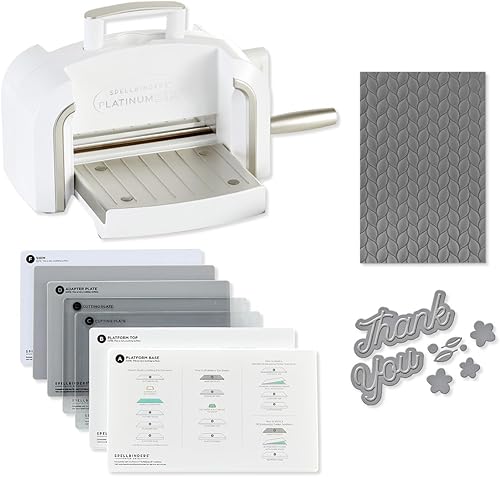
The Big Shot comes with a Multipurpose Platform and Cutting Pads, so it makes sense if you already own compatible dies. The Platinum 6 adds an exclusive 3D Embossing Folder and Die Set, which gives a new crafter a few tools to try right away.

Sizzix Big Shot vs Spellbinders Platinum: what differs?
The key difference is the package and its starting tools. The Big Shot includes its platform and cutting pads, while the Platinum 6 adds a Universal Plate System, embossing folder and die set.
Both machines are manual and sit in the 6 in class. Sizzix describes the Big Shot by its opening, while Spellbinders describes the Platinum 6 by its platform, so check the width of your most-used dies and folders instead of assuming the terms mean an identical usable area.
The Big Shot's clip-on handle stores underneath the machine when you're done. Spellbinders emphasizes the Universal Plate System, which it says allows use with practically every product on the market.
That compatibility statement is broad, so confirm the exact die or folder instructions before buying. A universal plate system is useful only when its plates and sandwich match the tool you plan to run.
Who should choose the Big Shot?
Choose the Big Shot if you have compatible dies already or want a 6 in manual machine with a handle that tucks away. Its package includes the Multipurpose Platform and Cutting Pads, but not a starter die set.
This is a sensible fit for cardmakers and scrapbookers who have built a die collection and want the machine components to run it. Sizzix also describes it for larger papercraft and home décor projects, and lists cardstock, fabric and labels as media.
The Big Shot is less appealing if you want several new designs to try as soon as you unpack it. You'll need to source dies separately, and should check that they fit the opening and use a sandwich supported by the machine's instructions.
Its handle is a practical storage feature, not a reason to overlook workspace needs. Leave enough room to turn the handle during use and to lay out the platform, pads, die and material.
Who should choose the Platinum 6?
Choose the Platinum 6 if the Universal Plate System and included embossing folder and die set match the projects you want to make. The package gives beginners a starting set and gives established crafters another plate system to consider.
The machine is described for cardmaking and scrapbooking. Spellbinders also names its BetterPress Letterpress System and Glimmer Hot Foil System as compatible, so buyers interested in those tools may find the Platinum 6 a more natural fit within that brand's craft setup.
The extra pieces are only useful if they match your style and materials. If you already have a large collection of dies and folders, compare their instructions with the Platinum 6's plate system before choosing based on the starter set alone.
Spellbinders describes the machine as portable, but it weighs 10 pounds and measures 13.62 in wide, 5.12 in deep and 6 in high. Plan a stable spot for use and storage, including space for the plates and accessories.
How do you set up either machine?
Start with the instructions for the specific die or folder, then build only the plate sandwich it calls for. Plate order and layers can differ by tool, so there isn't one stack that should be assumed to work for every project.
With the Big Shot, begin with its Multipurpose Platform and Cutting Pads. Place the die and material as directed, then turn the handle steadily; don't force a stack that feels too thick or binds.
The Platinum 6 includes the Universal Plate System. Follow the instructions for the die, embossing folder or compatible Spellbinders system you are using, and keep the required plates together as a set for that task.
For the Big Shot's basic sandwich, see our Sizzix Big Shot setup guide. It walks through the parts and sequence so you can identify what belongs in each stack.
Before running a new die, confirm its width, material guidance and required plates. A clean cut depends on matching the tool and material with the intended sandwich, not on adding extra layers or pressure.
Which plates does each machine use?
The Big Shot comes with a Multipurpose Platform and Cutting Pads, while the Platinum 6 comes with a Universal Plate System. Keep the parts and instructions for each machine together to avoid mixing plate arrangements.
Plate combinations can change with the die or embossing folder. Our Sizzix Big Shot plates guide explains the Big Shot's pads and how to identify the ones your project needs.
Don't treat a sandwich that works for one die as a universal recipe. If a die maker gives separate directions for thin dies, folders or specialty tools, follow the matching instructions.
Which machine fits your projects?
Choose by the dies and folders you use most, then check the material guidance for those tools. Both machines handle paper craft tasks, but their included accessories and named uses differ.
The Big Shot is described for cardmaking, scrapbooking, larger papercraft and home décor. Sizzix also lists cardstock, fabric and labels as media, which makes it the more direct choice of these two when fabric use is part of your plans.
The Platinum 6 is described for card and scrapbook projects. Spellbinders says it supports detailed cutting and simultaneous embossing, and names its BetterPress and Glimmer systems as compatible.
Those broad use descriptions don't guarantee every material or die will work. Check the die maker's guidance before trying unfamiliar material, especially if the material is thick, layered or has a different texture than paper.
What if you mostly make cards?
For cardmaking, choose the machine whose included tools and plate system fit your card designs. The Platinum 6's folder and die set may give a new crafter a useful start, while the Big Shot may fit better if your compatible dies are already on hand.
Think about the shapes you use most: small greetings, repeated embellishments, layered pieces or embossed panels. Confirm their width and required sandwich before deciding that either 6 in machine covers every job.
For more options matched to card projects, see our guide to die-cutting machines for card making. It can help you decide whether you need a manual machine or a different style of setup.
What if you want to cut fabric?
The Big Shot is the clearer option of these two for fabric because Sizzix lists fabric among its media. Still, check the die maker's fabric instructions and any preparation steps for the specific cut.
Spellbinders lists cardstock for the Platinum 6. Don't assume fabric compatibility from the shared 6 in class alone, and avoid treating a successful paper setup as guidance for fabric.
For help thinking through fabric and felt projects, read whether a die-cutting machine can cut fabric. Match the tool to the material and the cut shape you need.
How do storage and portability compare?
The Big Shot has a handle that clips underneath, while Spellbinders describes the Platinum 6 as portable. Consider the machine, plates and work area together when choosing where to keep it.
The Big Shot weighs 5.1 kg, and its handle stores under the body when not in use. That gives you a way to reduce loose handle clutter, though the platform and pads still need a place nearby.
The Platinum 6 weighs 10 pounds. Its 13.62 in width is the dimension most likely to affect a shelf or craft table, so measure your storage spot before bringing it home.
For occasional crafting away from your main table, the Sidekick is smaller, with a 2.5 in opening and a vacuum seal designed to secure it to a smooth work surface. It suits narrow dies and lightweight cardstock, not projects that need the working width of either 6 in machine.
What common mistakes should you avoid?
The most common mistake is choosing by machine width without checking die width and plate instructions. A die that fits the opening may still require a particular sandwich or material setup.
Don't add extra plates to compensate for an imperfect cut unless the tool's instructions call for them. A stack that is too thick can bind, and forcing the handle can damage components or the material.
Don't assume every die brand, folder or specialty system works with both machines in the same way. Check compatibility for your exact tool, especially for the Platinum 6's named BetterPress and Glimmer uses or for dies outside the machine's own brand.
Finally, don't buy a machine for one included folder or die set without checking whether you'll use those designs. The Big Shot package is a better match when your own compatible dies are the reason you're buying; the Platinum 6's extras matter when they fit your project plans.
How should you decide between the Big Shot and Platinum 6?
Pick the Big Shot if you want a 6 in manual machine, already own compatible dies, or value its handle storage. Pick the Platinum 6 if its Universal Plate System and included die set will see regular use.
For fabric alongside paper, the Big Shot is the more clearly documented fit here because Sizzix lists fabric as a supported media type. For Spellbinders system compatibility and a ready-to-try folder and die, the Platinum 6 is the stronger match.
Choose the Sidekick only when your designs fit within 2.5 in and portability matters more than width. If you are deciding between manual and electronic machines, our manual vs electronic die-cutting guide explains the tradeoff in operation.
For broader options, compare manual die-cutting machines and check whether a 6 in platform fits your dies. In the sizzix big shot vs spellbinders platinum choice, your current tools and likely projects should decide which package is worth the space.
Related guides
- How to use a Sizzix Big Shot
- Sizzix Big Shot plates
- Manual die-cutting machines
- Sizzix Big Shot vs Big Shot Plus
Frequently asked questions
Which is better, the Sizzix Big Shot or Spellbinders Platinum 6?
The Sizzix Big Shot suits you if you want a 6 in opening and a handle that stores underneath. The Spellbinders Platinum 6 suits you if its Universal Plate System and included 3D Embossing Folder and Die Set are useful.
Both are manual die-cutting and embossing machines.
Do the Big Shot and Platinum 6 have the same opening?
Both are in the 6 in class: the Big Shot has a 6 in opening, and the Platinum 6 has a 6 in platform. Check the working width of your dies and folders before choosing, since the products describe their surfaces differently.
What comes with the Sizzix Big Shot?
The Big Shot comes with a Multipurpose Platform and Cutting Pads. It is sold as a machine-only option here, so plan to get dies separately if you don't already have compatible ones.
What comes with the Spellbinders Platinum 6?
The Platinum 6 set includes the Universal Plate System, an exclusive 3D Embossing Folder and Die Set, and the machine. Check that the included die and folder suit your projects before you count them as useful extras.
Is there a smaller alternative to these machines?
The Sizzix Sidekick Starter Kit has a 2.5 in opening, so it suits smaller dies and lightweight cardstock rather than wide projects. It includes dies, embossing folders and stamps, and its vacuum seal is designed to secure it to a smooth work surface.


